
History & Construction
The idea of building a dam at Malampuzha was first proposed in 1914 by the Madras Government, when Palakkad was part of the Madras Presidency. The project took several decades to gain momentum, but once it did, it moved rapidly.
The foundation stone was laid in March 1949 by the then Minister for Public Works, K. Bhaktavatsalam. Although the foundation was laid under Bhaktavatsalam, the project was completed during the tenure of Chief Minister K. Kamaraj. The dam was officially inaugurated on 25 November 1955 by Prime Minister Pandit Jawaharlal Nehru.
Construction was a remarkable achievement — completed in just six years by a workforce drawn from six states: Kerala, Tamil Nadu, Andhra Pradesh, Karnataka, Odisha, and West Bengal. The project was led by a distinguished team of planners, architects, designers, supervisors, and engineers from across India.
Localities Before the Reservoir
Before impoundment, the area comprised many small hamlets and localities. After the reservoir was filled, the wider area became known collectively as Malampuzha. The earlier settlements included:
- Punppara
- Chovankadu
- Iduppadi
- Vadakkampadam
- Thanjikapallam
- Karakkad
- Thooppallam
- Varani
- Akkarakad
- Kadakkamkunnam
- Anakuzhikkad
- Thamburattipotta
- Anamukkar
- Pandipotta
- Thekkumpadam
- Koshavan Idukku
Purpose of the Project
Malampuzha was designed as a multi-purpose scheme from the outset. Its primary functions are:
- Irrigation — the backbone of farming across the Palakkad plains
- Drinking water supply — for Palakkad city and surrounding areas
- Industrial use — particularly for the Kanjikode Industrial Belt
- Power generation
- Fisheries
- Water transport — where operational policies permit
Agriculture — The Rice Bowl of Kerala
Malampuzha Dam has been central to establishing Palakkad as Kerala's "Rice Bowl". Approximately 50,000 hectares of farmland are irrigated from the reservoir across two crop seasons each year.
Of Kerala's total 3,10,521 hectares of paddy land, Palakkad alone accounts for 1,15,910 hectares — 37.33% of the entire state. This proportion reflects how vital reliable irrigation from projects like Malampuzha is to both the district and the state's food security.
Golden Jubilee (2005)
In October 2005, the dam celebrated its Golden Jubilee. The event was launched in conjunction with Onam and Tourism Week, and was organised by a committee led by the then District Collector, K. Ajayakumar.
Gardens & Tourist Attractions
Alongside the dam, the Malampuzha Garden is maintained by the Tourism Department and is widely referred to as the "Garden of Kerala" or the "Vrindavan of Kerala". The landscaped grounds, Western Ghats backdrop, flower beds, and ponds make it one of Kerala's most popular day-trip destinations.
Natural Setting
The dam sits amid forest-clad hills with rivers feeding into the reservoir from the Western Ghats. Visitors enjoy green landscapes, diverse flowering plants, and quiet rest areas — a combination that keeps Malampuzha consistently among the most visited destinations in Kerala.
Vintage Photographs
Rare heritage images from the 1949–1955 construction era and early years of the dam
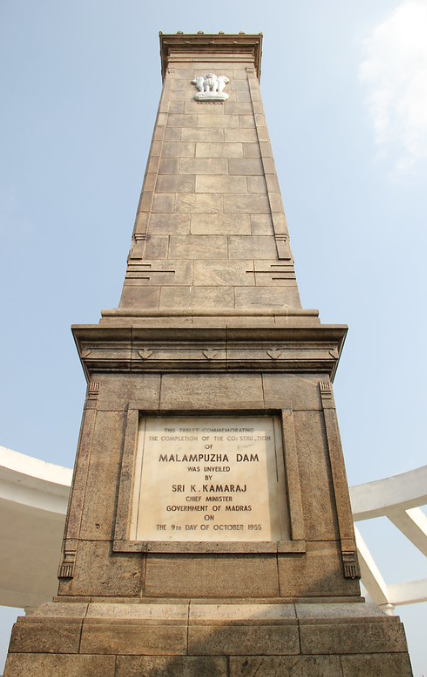 c. 1949–1955
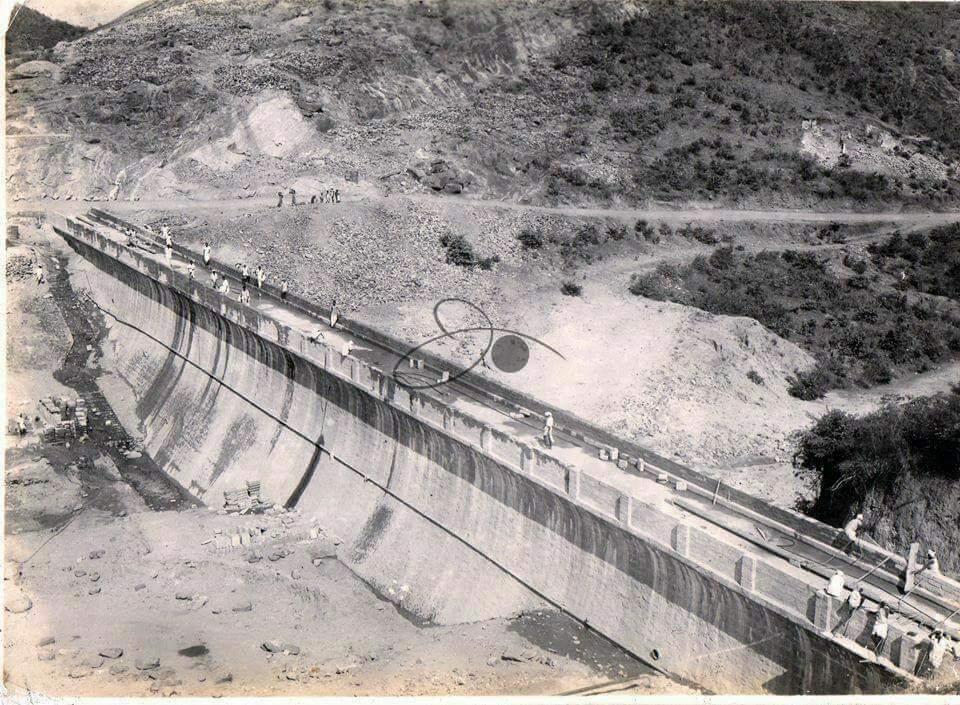 c. 1949–1955
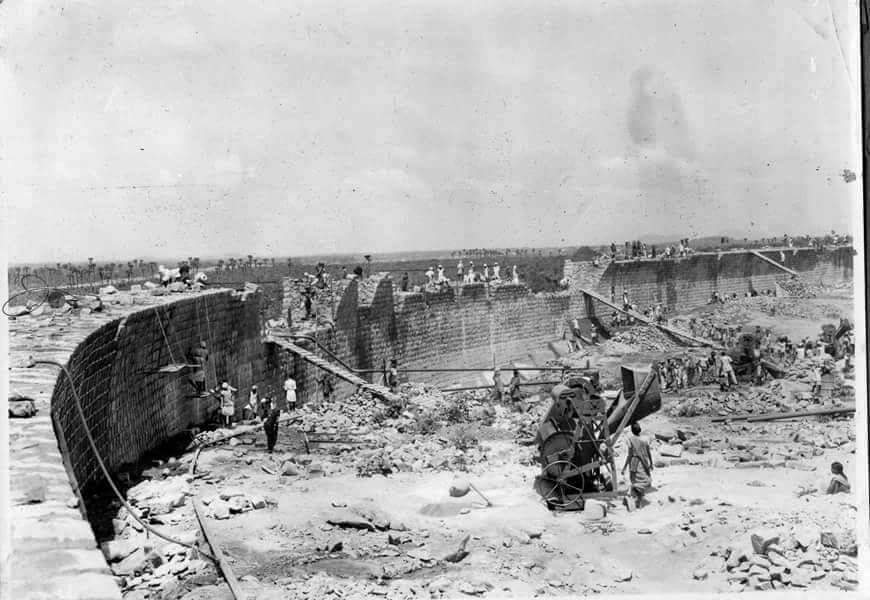 c. 1949–1955
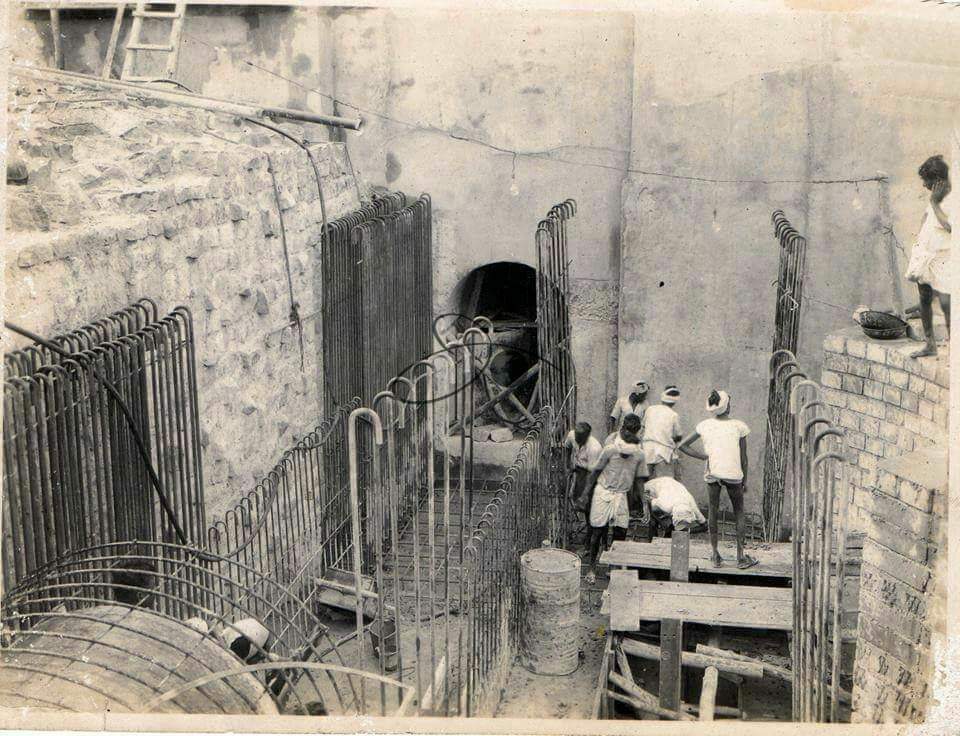 c. 1949–1955
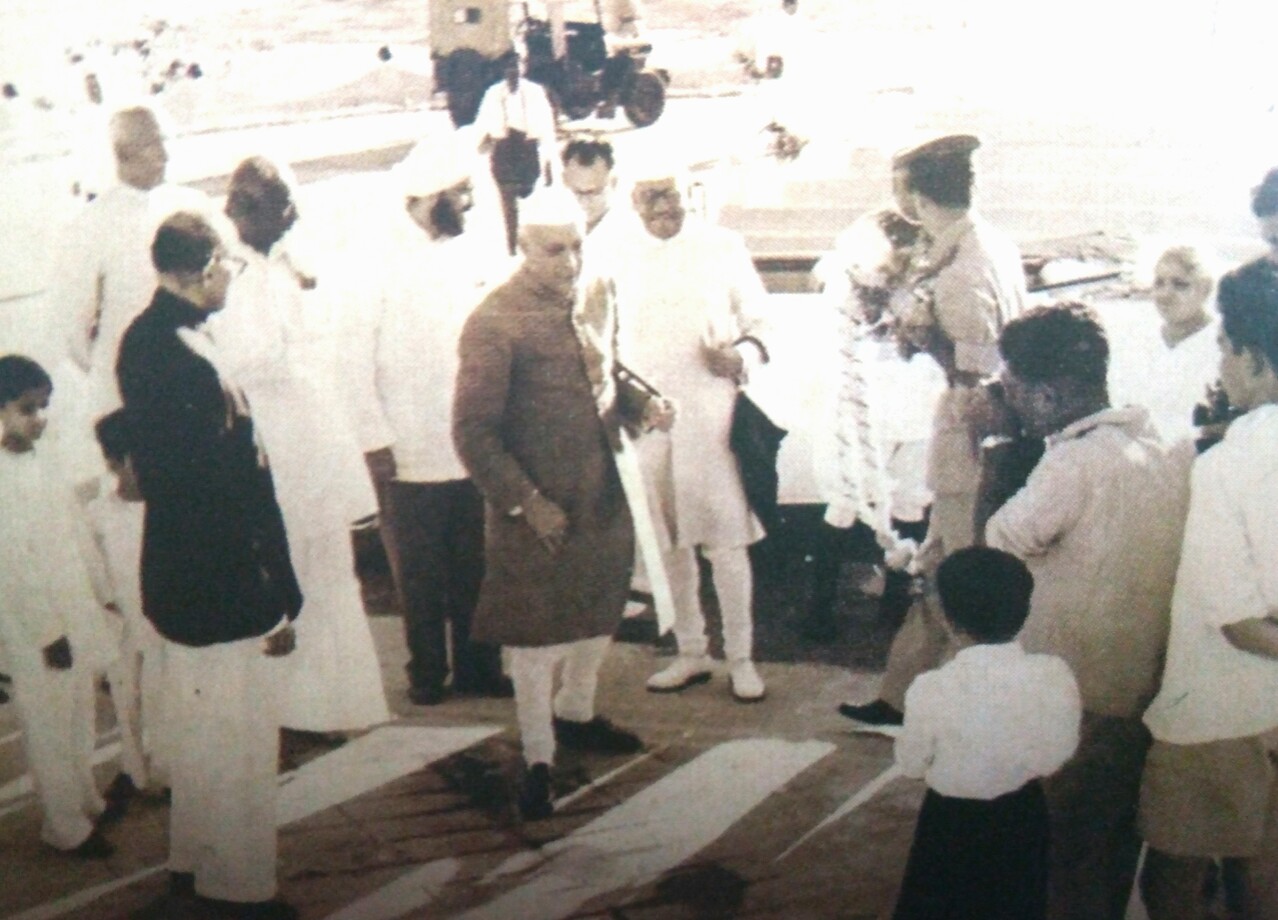 c. 1949–1955
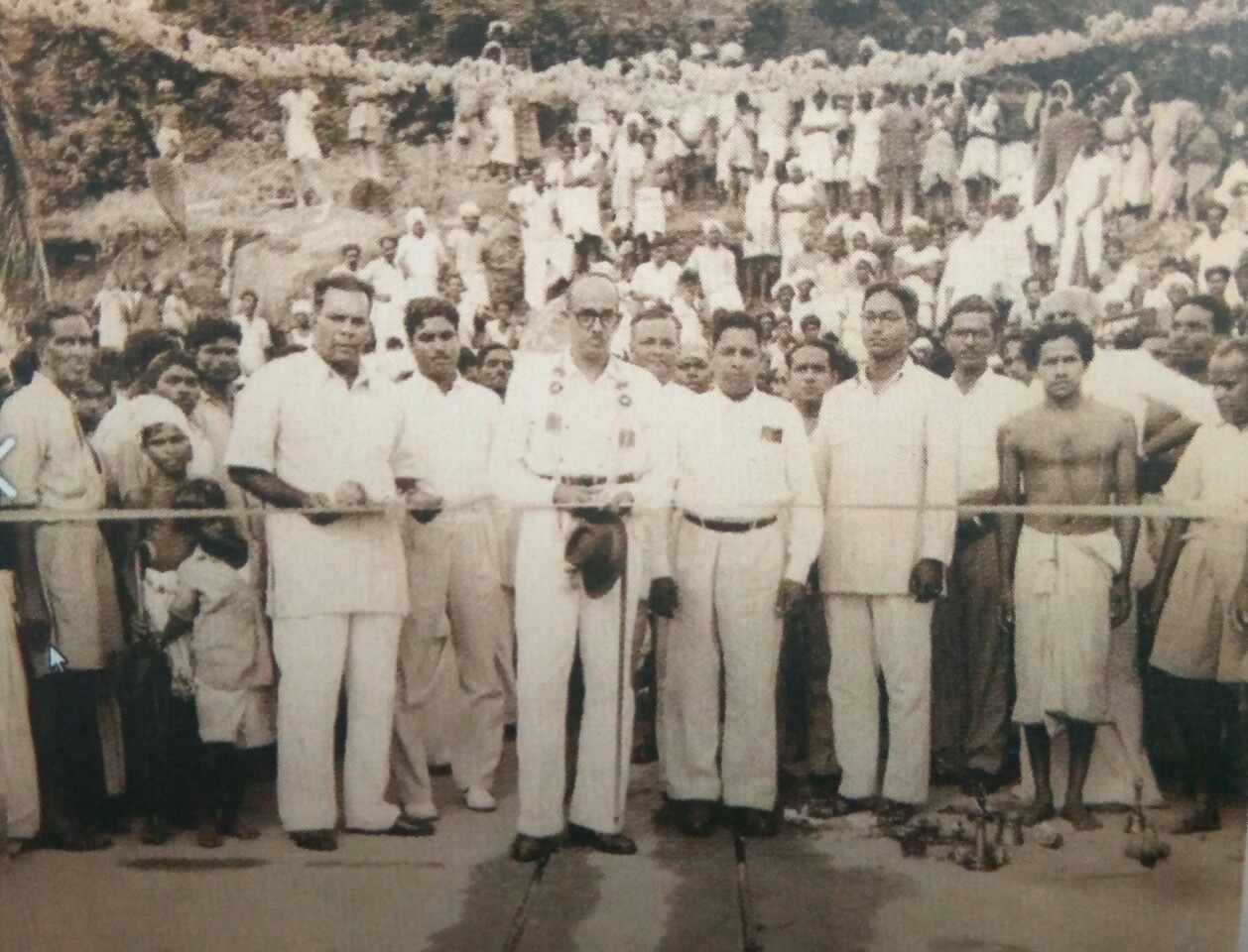 c. 1949–1955
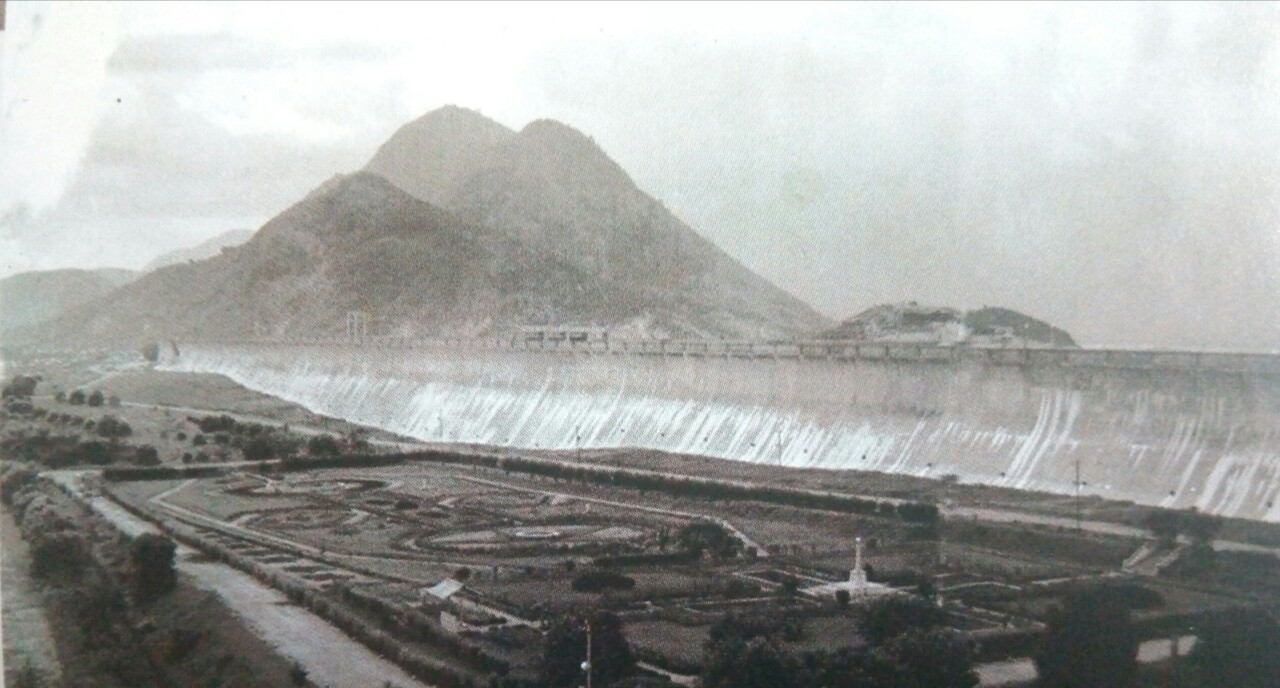 c. 1949–1955